 Grandstyle
Packaging, storage & formats
Protecting the ingredient starts with a clear pack and handling brief.
Pack materials, weights and storage instructions are confirmed for each order. For reference, a recorded export of dried orange and lemon peel moved in bags inside a 40 ft container.
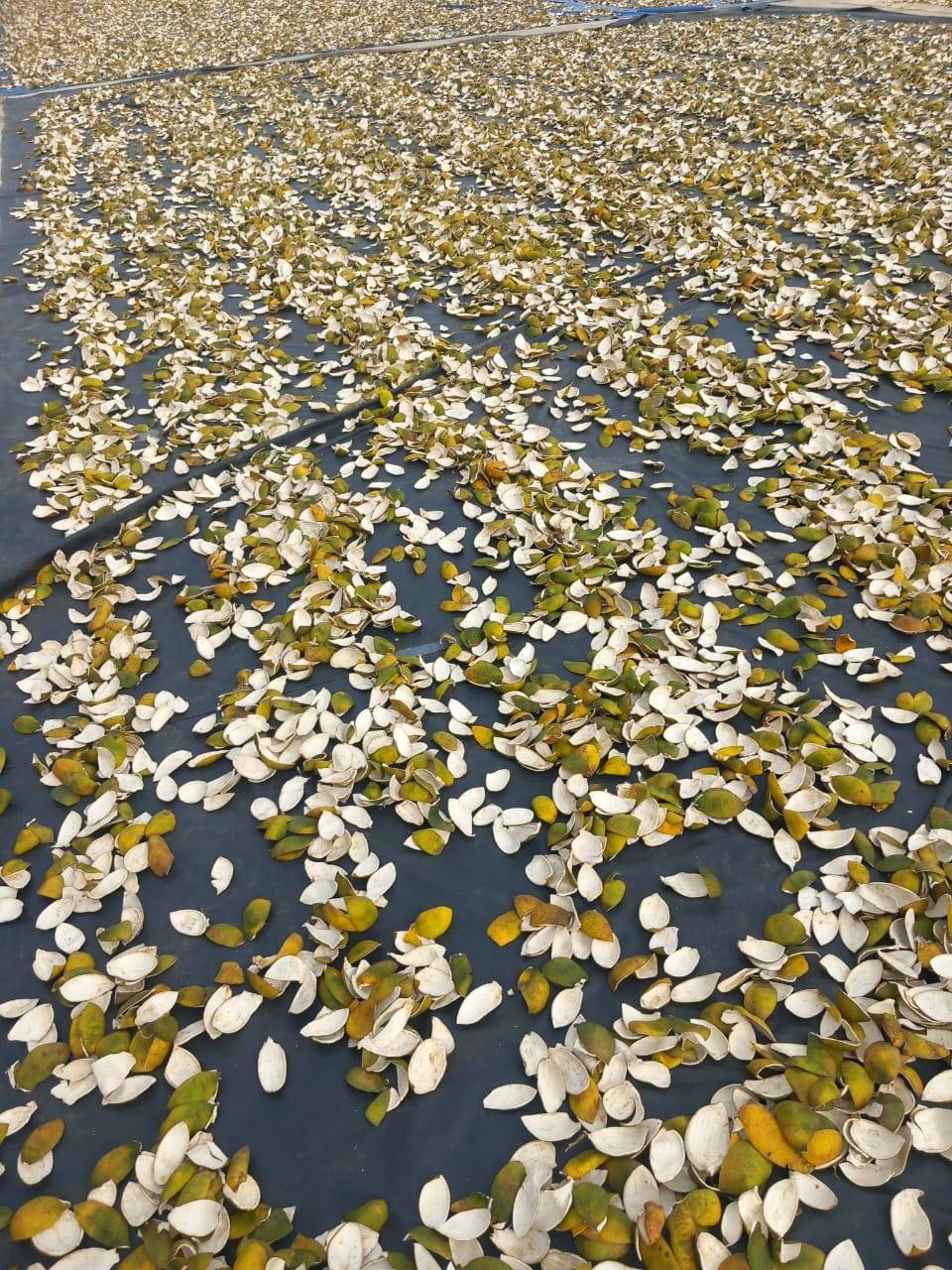
- Recorded pack
- 607 bags in one 40 ft container
- Recorded weight
- 15,175 kg
- Formats
- Pieces to powder
- Storage guidance
- Confirmed per product
Format informs the packaging discussion
Whole pieces, strips, granules and powders have different handling needs. Consider breakage, dust, pack size, warehouse handling and how much material your production team uses at a time.
Tell us whether your requirement is a trial, a production order or a retail-packing programme.
Bagged bulk and container loads
Public customs data records one shipment of 1 × 40 ft container, 607 bags carrying 15,175 kg of dried peel. Packing, palletisation and loading for your order are agreed in writing.
At receipt, keep lot identity and attach the product documents to the inventory record.
Storage
Dried ingredients are generally best protected from moisture, direct sunlight, strong odours, pests and physical damage. Ask for the storage guidance and shelf-life statement that applies to your lot.
If an exact particle-size range is essential, include it in your quote request and ask how it is measured.
Receipt and release
Before dispatch, agree who checks the delivery, which documents travel with it and what happens if a pack is damaged or a document is missing.
A short written release checklist covering product, lot, format, quantity and destination works well for a first order.